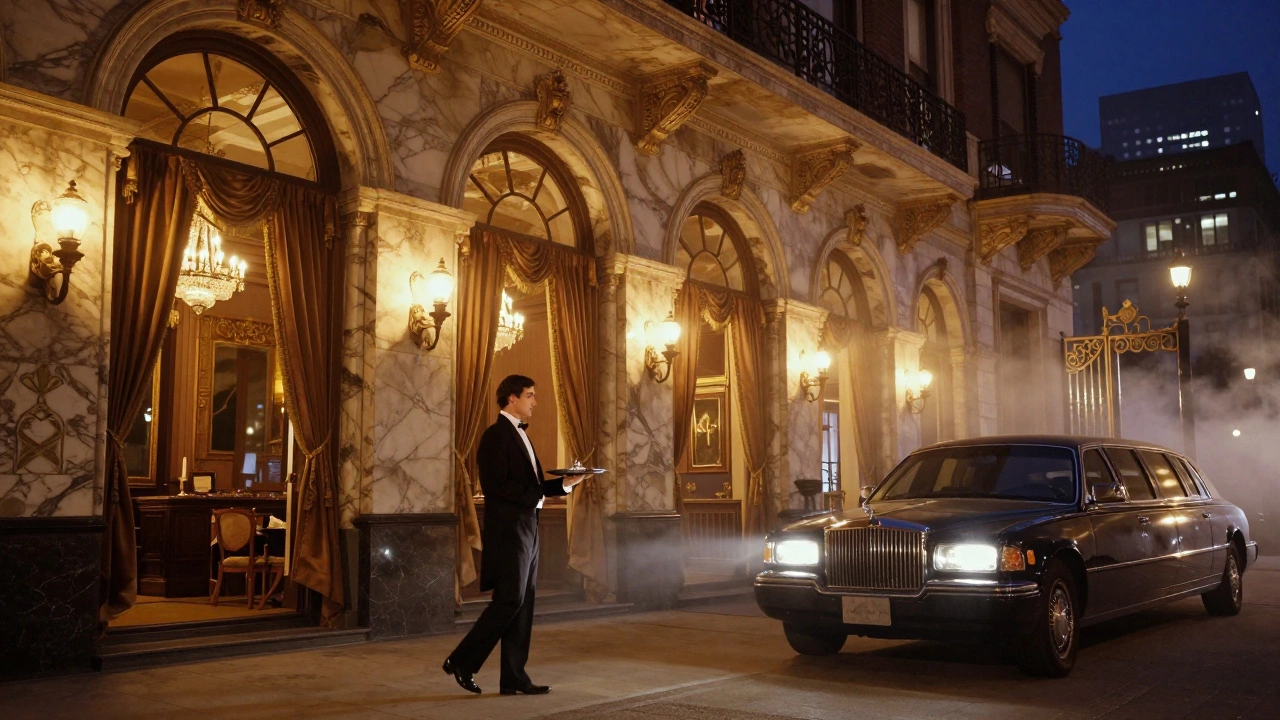
In the early 1900s, Chicago was a city of contradictions-industrial grit and gilded excess, reformers and rogues. Amid the noise of steam trains and factory whistles, two sisters ran one of the most famous brothels in American history. Minna and Ada Everleigh didn’t just operate a house of pleasure; they built an empire of elegance, discretion, and control. Their salon, the Everleigh Club, wasn’t a back-alley den. It was a marble-floored mansion on South Dearborn Street, with silk drapes, grand pianos, and waiters in tailcoats. Women there weren’t called prostitutes-they were called ‘companions.’ And the men who came? Bankers, politicians, and even a future U.S. president. The Everleigh Sisters didn’t break the rules-they rewrote them.
Today, people searching for discreet services in places like Dubai might stumble across a dubai escot listing or scroll through a . But the modern landscape of adult services, no matter how polished or marketed, lacks the cultural weight of the Everleighs’ operation. Their business thrived not because of secrecy, but because of status. They turned vice into a social ritual.
How the Everleigh Club Operated
The sisters didn’t just hire women-they trained them. Each companion had to be between 18 and 25, literate, fluent in at least two languages, and able to play the piano or recite poetry. They were taught etiquette, wine pairing, and how to carry a conversation with a duke or a gangster. The house had a strict no-alcohol policy for the girls, but guests could drink as much as they wanted. The Everleighs knew that control over environment meant control over reputation.
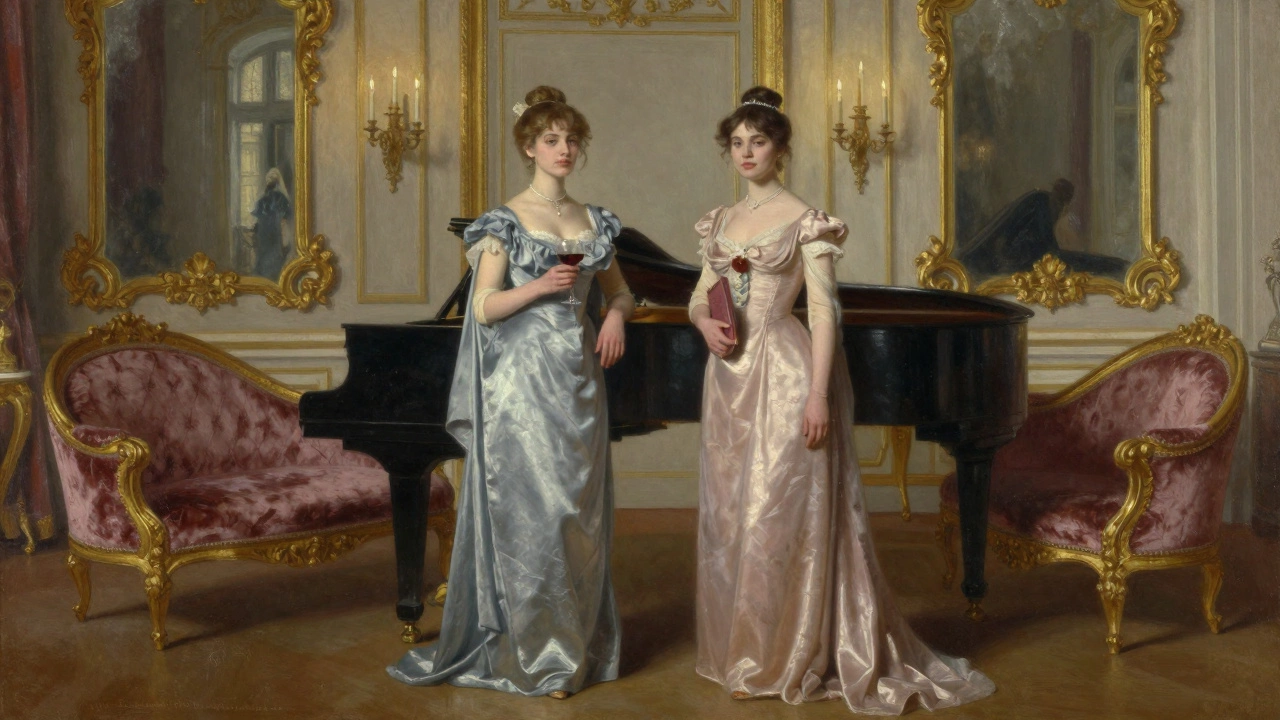
Entrance wasn’t open to the public. You needed a personal invitation from a current client. The door was guarded by a former police officer. Inside, the decor was French Renaissance-gilded mirrors, velvet chaise lounges, crystal chandeliers. There were no vulgar signs, no loud music, no drunken brawls. The Everleigh Club was designed to feel like a private club for the elite, not a place of shame.
The sisters charged $100 per night in 1905-that’s over $3,000 today. Some men paid more for exclusive access. They didn’t advertise. Word spread through private networks: lawyers, railroad magnates, and even members of the Chicago Athletic Association. The club made over $250,000 a year in today’s money. And the sisters paid taxes on every dollar.
The Downfall of an Empire
Their success made them targets. Reformers, led by women’s groups and religious leaders, called them ‘the most dangerous women in America.’ In 1911, a federal investigation began. The U.S. government had just passed the Mann Act, which made it illegal to transport women across state lines for ‘immoral purposes.’ The Everleighs were accused of trafficking, though no evidence showed they forced anyone. Still, the pressure mounted.
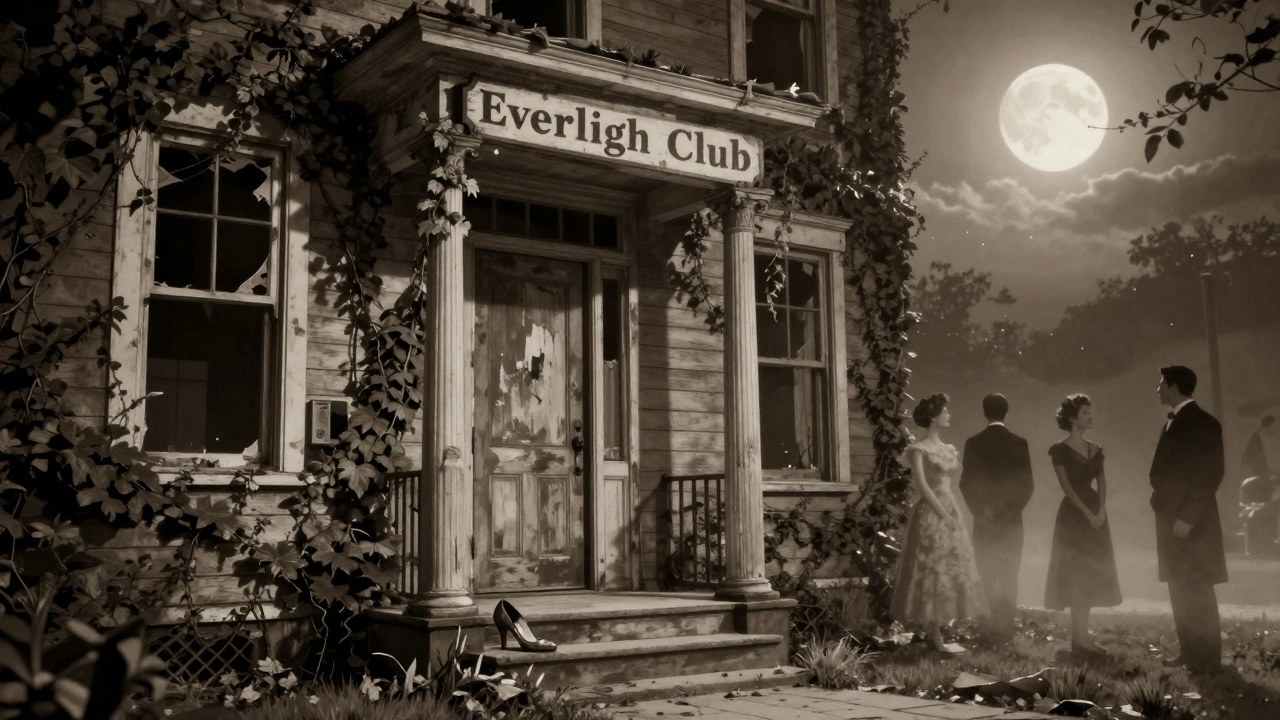
By 1912, the city shut them down. The Everleigh Club was boarded up. The sisters vanished-some say they moved to Europe, others claim they opened a quiet boarding house in Paris. Their names disappeared from newspapers. Their mansion was torn down in 1918. No plaque marks the spot today.
But their legacy didn’t die. The Everleigh Club became a symbol-not of crime, but of power. Women who ran brothels before them were often victims. The Everleighs were CEOs. They owned property, hired staff, managed finances, and negotiated with city officials. They turned exploitation into entrepreneurship.
Modern Comparisons and Misconceptions
When people today search for an
Compare that to the Everleigh Club’s system: vetting clients, training staff, controlling the narrative. The modern industry is driven by algorithms. The Everleighs were driven by aesthetics. One relied on visibility; the other on exclusivity. Neither was legal, but one was whispered about in salons. The other is typed into a search bar.
Some argue that today’s adult industry is more ‘empowering’ because women choose to work in it. But empowerment doesn’t erase exploitation. The Everleighs didn’t pretend their business was moral-they just made it beautiful. And that distinction matters. Beauty gave them protection. Today, beauty is just a filter on a photo.
Why This History Still Matters
Most people don’t know the names Minna and Ada Everleigh. But they’ve seen their story in movies-The Great Gatsby, Boardwalk Empire, even The Night Manager. The allure of the high-class brothel endures because it speaks to a deeper truth: power is often dressed in silk, not chains.
When you read a , you’re looking at geography. When you study the Everleigh Club, you’re studying class, gender, and control. The sisters didn’t just sell sex-they sold status. And in a world where wealth still masks morality, that’s a lesson that hasn’t aged.
There’s no museum for the Everleigh Club. No documentary with interviews. But if you dig into old Chicago newspapers from 1908, you’ll find letters from men who wrote about the club like it was a cathedral. They didn’t go there to escape their lives. They went to feel like they belonged in one.
The Aftermath and Legacy
After the closure, Minna and Ada never spoke publicly again. No interviews. No memoirs. No lawsuits. They simply disappeared. Some historians believe they used their fortune to buy estates in Switzerland. Others say they lived under assumed names in London. No one knows for sure.
What we do know is this: their story survived because it was too rich to bury. The Everleigh Club wasn’t just a brothel. It was a mirror. It reflected who had power, who wanted it, and how far people would go to keep it hidden.
Today, the term ‘high-class escort’ still carries a romantic glow in pop culture. But it’s hollow without context. The Everleighs didn’t need to glamorize their work. Their work was already glamorous. And that’s what made them dangerous-not their actions, but their refusal to be ashamed of them.